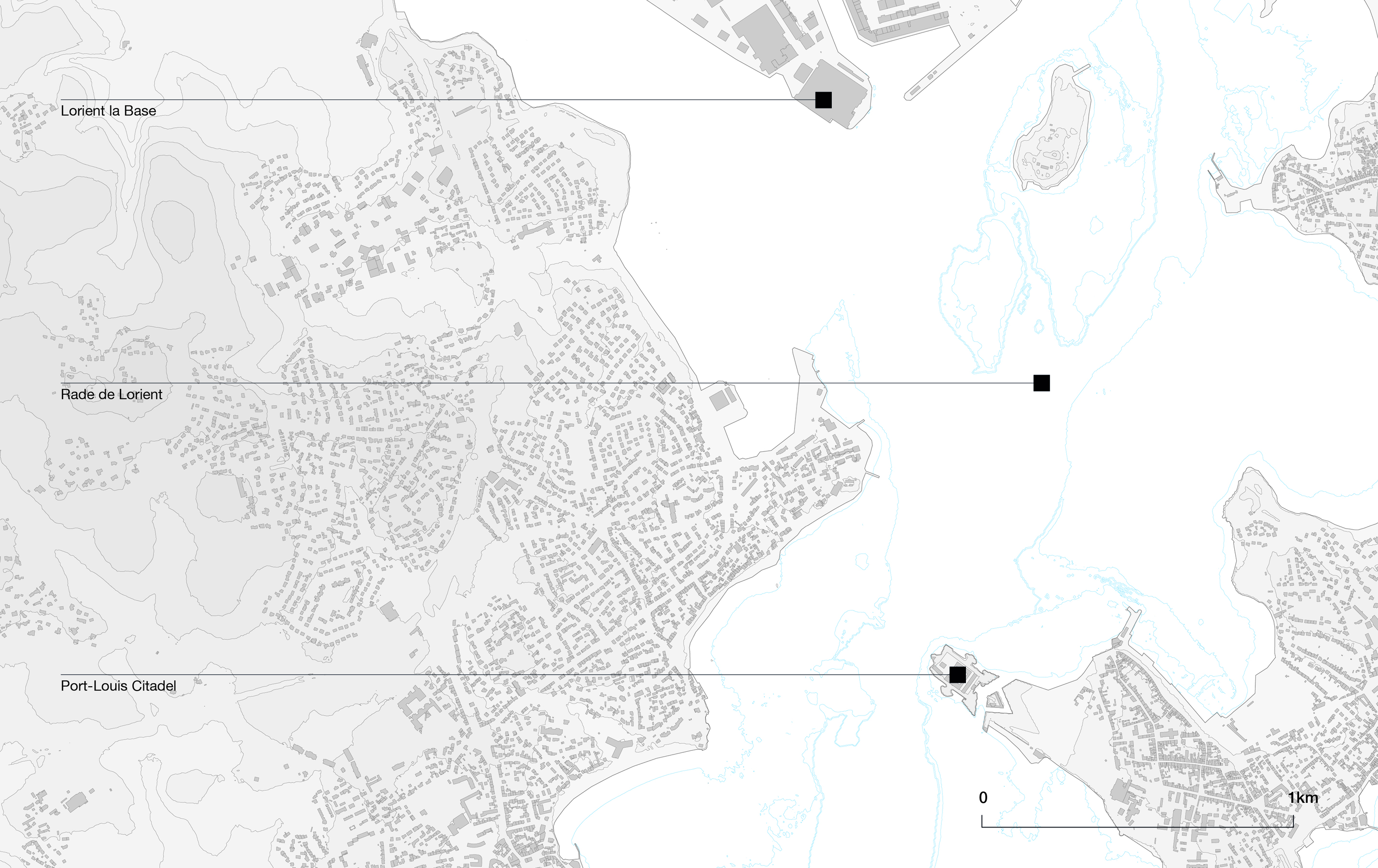
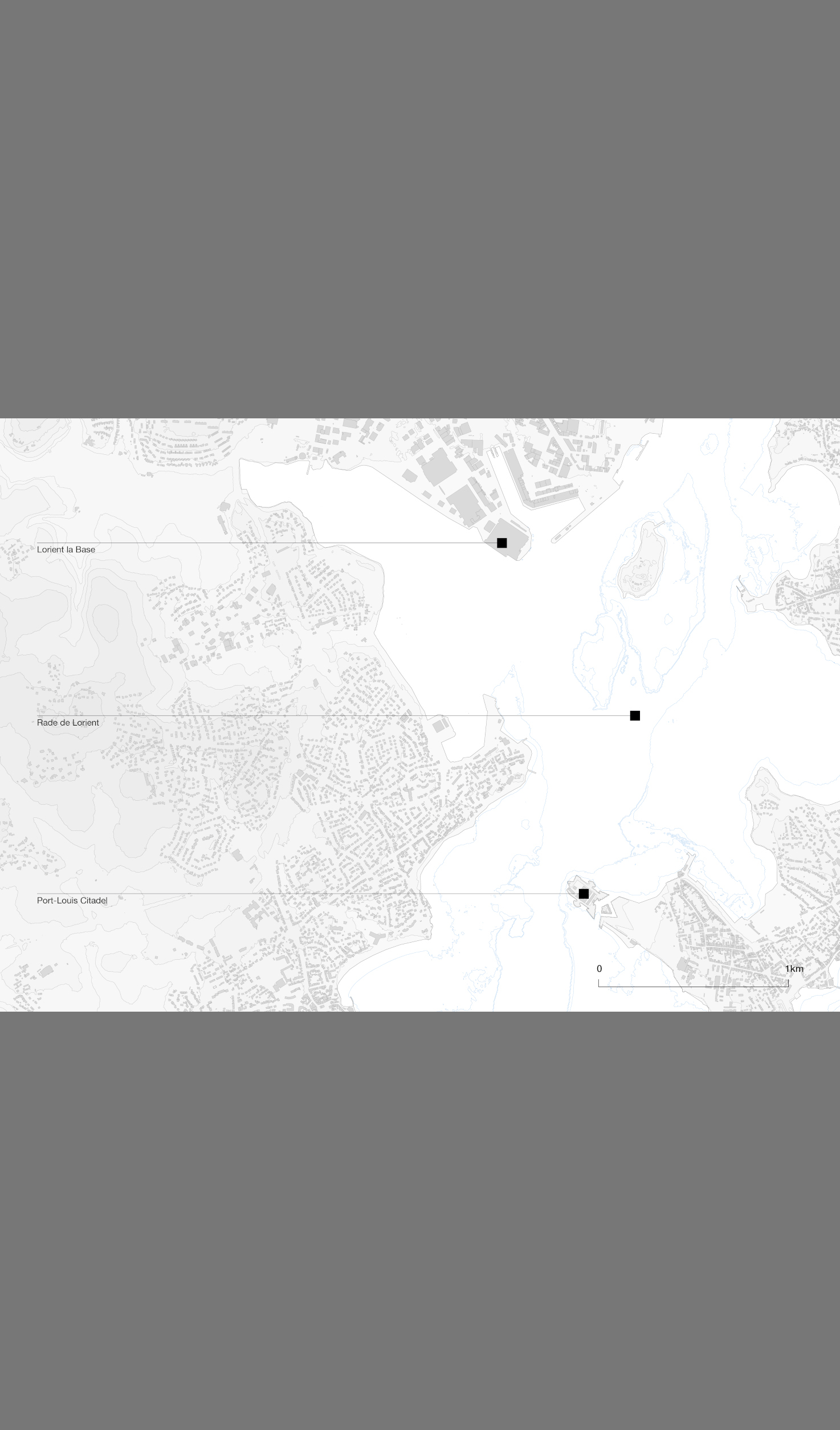
Brittany: Port of Lorient
Lorient is a pivotal maritime hub in Brittany, opening onto the Atlantic through its strategic position at the confluence of the Blavet and Scorff rivers. This case study examines three emblematic sites: the Rade de Lorient, Lorient La Base, and the Port-Louis Citadel. The natural features present in the Rade de Lorient—its sheltered waters, tidal wetlands, and rich biodiversity—form a living maritime landscape and enduring infrastructure that has sustained port, military, and fishing activities across centuries. A former German submarine base, Lorient La Base has been transformed into a global centre for offshore racing and maritime innovation, combining museums, technological and industrial facilities dedicated to the sailing industry, as well as cultural venues and bars within its restored wartime structures. The 17th century Port-Louis Citadel stands as a sentinel overlooking the Rade, housing museums that narrate Brittany’s naval and commercial history. Together, these sites illustrate a layered maritime heritage that intertwines material remains with contemporary cultural practices, reflecting the New European Bauhaus (NEB)values of sustainability, inclusion, and aesthetics.
Lorient La Base exemplifies creative and adaptive reuse: its transformation preserves historic fabric while fostering sustainable tourism and technological advancement, including the decarbonisation of maritime activities through partnerships such as K-Challenge and events like the Défi Azimut or the Festival Les Aventuriers de la Mer. The Port-Louis Citadel complements this by offering an interpretative perspective on navigation, trade, and coastal defence, its collections of ship models and maps connecting past and present maritime cultures. Its strategic vantage point reinforces the visual and symbolic dialogue between heritage and the sea.
The relevance of this case study lies in its alignment with SEALabHaus’ ambition to create a transnational laboratory for sustainable blue tourism. By integrating heritage, innovation, and community engagement, Lorient addresses local challenges of economic revitalisation and conservation while engaging global issues such as climate change. These sites embody NEB principles—sustainability through eco-conscious maritime technologies, inclusion via public participation in cultural and educational activities, and aesthetics through the harmonious interplay of historic architecture, contemporary design, and coastal landscapes—offering a comprehensive vision of maritime heritage, from ancient fortifications to cutting-edge sailing.