Canary Islands: Costa de Arinaga
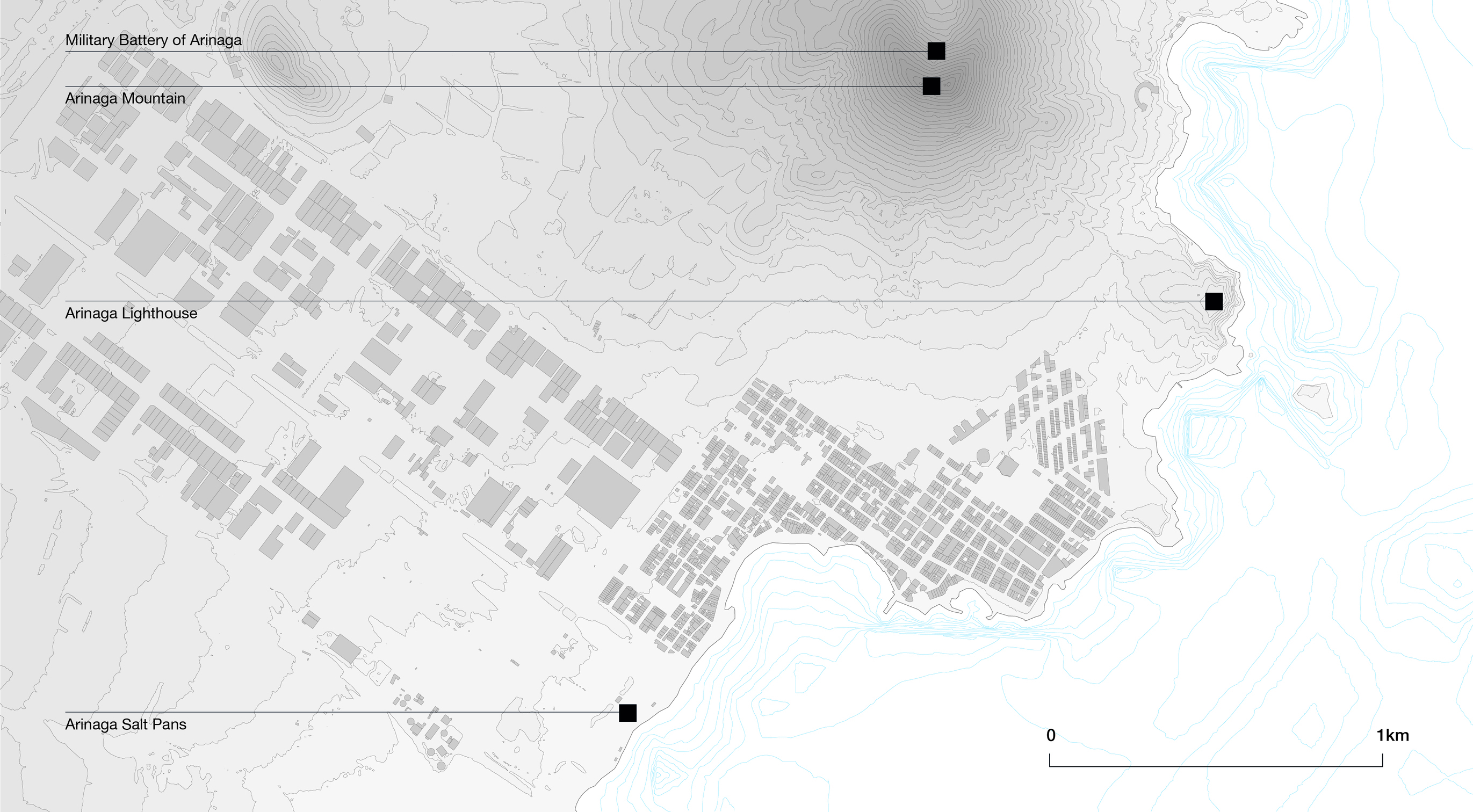
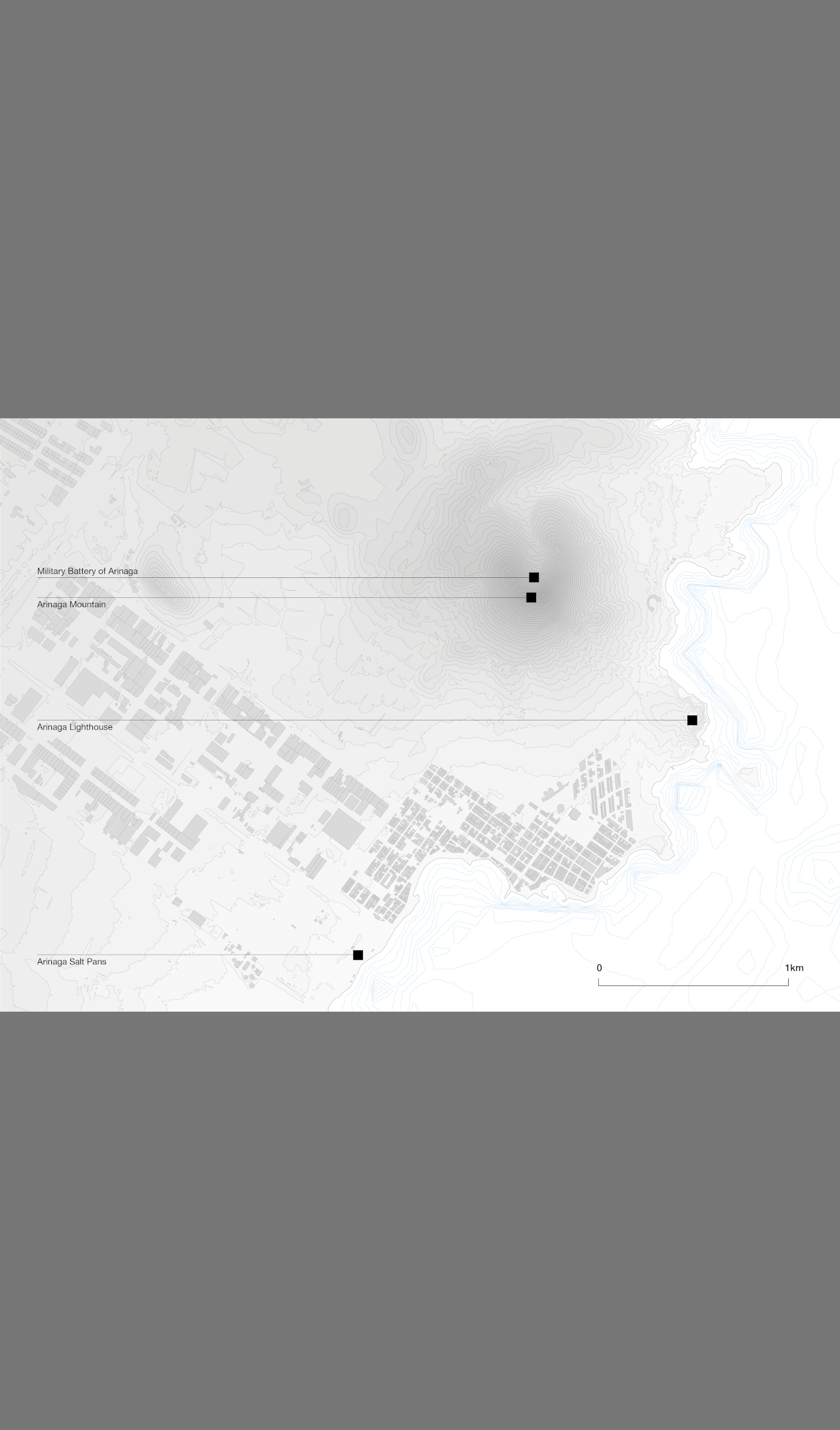
Costa de Arinaga is the coastal area of the town of Arinaga, within the municipality of Agüimes in the southwestern part of Gran Canaria. This location is characterised by three main morphological elements of different natures: the Salinas de Arinaga, located to the south of the town; the maritime strip of Arinaga’s urban fabric—which faces the ocean through a long seafront promenade; and the Arinaga Protected Natural Area, to the north of the town, which includes the Natural Monument of the Arinaga Mountain, the military battery of Arinaga, the islet of Roque de Arinaga, and the Punta de Arinaga Lighthouse. This natural reserve hosts a remarkable biodiversity, including numerous endemic plant species, and forms a key ecological and scenic counterpart to the town’s built environment.
The relevance of this case study lies not only in its own ethnographic and heritage value, but also in its potential to integrate a set of local heritage and landscape elements that have until now remained scattered and unconnected. This anomalous situation presents an opportunity for a revitalisation and requalification project: the design of a new urban route along the Arinaga coastline that highlights the territory as a maritime heritage site. Currently, both Las Salinas and the lighthouse are heritage elements with great potential to become rich centres of cultural memory. Located at opposite ends of Arinaga’s urban coastal strip, they currently lack a clear physical connection to it. Through an enhancement of the existing public route along the urban seafront and its direct connection with both Las Salinas and the lighthouse, an integrated coastal route could be established—one that promotes the interplay between a set of protected elements such as local flora and fauna, natural features, maritime architecture, and both tangible and intangible cultural heritage—aligned with the values of the New European Bauhaus.